
Yes, most modern water coolers need to be plugged in, especially models that provide hot or chilled water. Electricity powers the systems that control water temperature and may also support features such as touchless dispensing or electronic controls.
Bottleless water coolers also need another connection. In addition to electricity, these dispensers connect to the building’s potable water supply, allowing water to be filtered and dispensed on demand.
For Culligan Quench bottleless water coolers, professional installation includes connecting the machine to both the appropriate water source and electrical outlet.
Why do water coolers need electricity?
The main reason a water cooler needs electricity is right there in the name: it has to cool the water.
Modern dispensers can do considerably more than that, though. Hot water, electronic controls, touchless dispensing, and other available features can also depend on electricity.
Exactly what the power supply operates will vary from one water dispenser to another.
Chilling the water.
Water coolers that dispense chilled water use electricity to operate their cooling system. This allows the dispenser to bring incoming water down to the appropriate temperature and maintain chilled water for the next person who uses it.
The cooling system doesn’t necessarily operate at full power every second the dispenser is plugged in. It can cycle as necessary to maintain the water temperature.
Heating the water.
Hot and cold water dispensers also use electricity to heat water.
Depending on the model, the dispenser maintains separate hot and cold water supplies so both temperatures are available from the same machine. Keeping the dispenser connected to power allows its heating and cooling systems to maintain those temperatures throughout the day.
Powering additional dispenser features.
Temperature control isn’t the only reason a modern water dispenser may need electricity.
Depending on the model, power may also be used for touchless sensors, UV technology, digital displays, and other electronic features. These capabilities vary between machines, so it’s important to check the specifications of the individual dispenser rather than assuming every water cooler has the same electrical requirements.
Can a water cooler work without electricity?
What happens when you unplug a water cooler depends on how the particular dispenser is designed.
For a powered hot-and-cold water cooler, disconnecting the electricity means the machine can no longer operate its normal heating and cooling systems. Chilled water will eventually warm up, while heated water will cool.
Other electrically powered features may also stop working.
Whether the machine can still physically dispense water without electricity depends on the model. Some dispensing mechanisms require power, while others may not. Check the manufacturer’s instructions to see how a specific dispenser behaves during a power outage or when unplugged.
Do bottleless water coolers need to be plugged in?
Yes, Culligan Quench bottleless water coolers require access to electricity as part of installation.
Unlike a traditional jug cooler, a bottleless system connects directly to an existing potable water source. Water travels through a dedicated line to the dispenser, where it passes through the machine’s built-in filtration system, such as carbon or reverse osmosis, before being dispensed.
That means there are two important connections to consider when choosing a location for a bottleless water cooler: the water source and the electrical supply.
Culligan Quench installation guidance calls for a grounded electrical outlet within six feet of the dispenser location. The water source can generally be located farther away because a technician can route the necessary water line during professional installation.
How much electricity does a water cooler use?
The amount of electricity a water cooler uses varies by model.
Capacity and temperature settings can affect energy consumption, along with how frequently the dispenser is used. Additional powered features may also contribute to its overall electricity use.
Some commercial water coolers include features intended to reduce energy consumption during periods of lower demand. The Culligan Quench Q14, for example, includes Eco Mode and Screen Saver Mode.
If energy consumption is an important factor for your workplace, compare the specifications and energy-saving features of individual models before choosing a dispenser. Here’s more on how much electricity a water cooler uses and what affects it.
Where should you plug in a water cooler?
A powered water cooler should be installed where it can safely access an appropriate electrical outlet. Placement is one part of water cooler safety, along with proper cleaning and maintenance.
For Culligan Quench bottleless systems, the location must also be compatible with the building’s potable water supply. Culligan Quench recommends having a grounded electrical outlet within six feet of the desired dispenser location.
The water source doesn’t necessarily have to be directly beside the machine. A trained technician can determine an appropriate route for the water line during installation.
This flexibility can make bottleless dispensers suitable for breakrooms, common areas, reception spaces, and other workplace locations where both the water and electrical requirements can be accommodated.
What happens if you unplug a water cooler?
Once a powered water cooler is unplugged, it will stop using electricity to maintain its normal hot and cold water temperatures.
Any other functions that rely on electricity may also become unavailable. What happens during the actual dispensing function depends on the machine’s design.
If you’re unplugging a water cooler because your workplace is closing for an extended period, moving the machine, cleaning it, or performing other maintenance, follow the manufacturer’s instructions. Culligan Quench customers can also contact their service team for guidance rather than disconnecting or relocating a professionally installed bottleless system on their own.
FAQ.
Does a water dispenser need its own outlet?
Electrical requirements vary between water dispensers, so check the specifications for the individual model.
Culligan Quench bottleless water cooler installations require access to an appropriate grounded electrical outlet. A professional installer can help confirm that the planned location meets the machine’s installation requirements.
Do countertop water dispensers need electricity?
Many countertop water dispensers do need electricity.
If the machine heats or chills water, those functions require power. Touchless sensors and other electronic features can also depend on an electrical connection.
Because countertop dispenser features vary, check the requirements for the individual model before choosing an installation location.
Do hot and cold water dispensers use electricity all the time?
Hot and cold water dispensers require a continuous electrical connection to maintain their temperature settings.
That doesn’t mean the heating and cooling components continuously operate at maximum power. These systems can cycle as needed to keep water within the appropriate temperature range.
Actual energy consumption varies according to the machine and how it’s used.
Can you turn off a water cooler overnight?
A water cooler can be disconnected from power, but routinely turning it off overnight may not be recommended for your particular machine.
Culligan Quench advises keeping its hot and cold water dispensers connected to power to maintain the proper water temperature.
If you need to shut down a dispenser for an extended period, follow the instructions for your model or contact your service provider for guidance.
Find a water cooler that fits your workplace.
Electrical requirements are one part of choosing the right water cooler. Capacity, available space, filtration, water temperatures, and dispensing features can also help determine which machine fits your workplace. An undersized dispenser in a busy office has to heat, chill, and replenish water more often, and that extra wear factors into how long a water cooler lasts.
Culligan Quench offers countertop and freestanding bottleless water coolers for businesses across Canada, with options for workplaces of different sizes and usage levels. Professional installation ensures the selected system is connected to the appropriate potable water source and power supply.
Explore Culligan Quench Water Coolers or use the Product Finder to compare systems and find an option that meets your workplace needs.
Recommended products
Culligan Quench has an advanced suite of point-of-use systems that are designed to meet the needs of workplaces of all shapes and sizes. Here are some products we recommend for your business.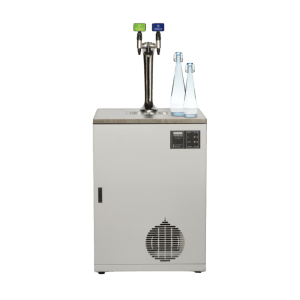
570 Bottleless Water Cooler
Vivreau® Freestanding Main Bottler
 High
 Hot
 Cold
 Ambient
 Extra Hot
 Sparkling
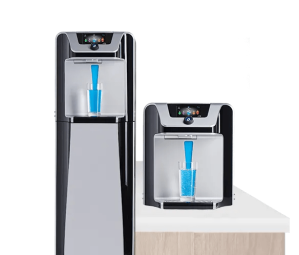
Q10 Bottleless Water Cooler With Sparkling Water
Includes Firewall® UV Protection
High
Hot
Cold
Ambient
Extra Hot
Sparkling
Top pick
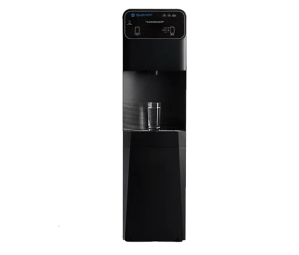
Q12 Touchless Bottleless Water Cooler
Available with quenchWATER+ electrolyte water
 Commercial
Hot
Cold
Ambient
Extra Hot
Sparkling
Top pick
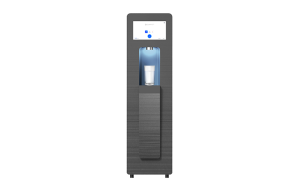
Q14 Bottleless Water Cooler
Available with quenchWATER+ electrolyte water
Commercial
Hot
Cold
Ambient
Extra Hot
Sparkling
Top pick
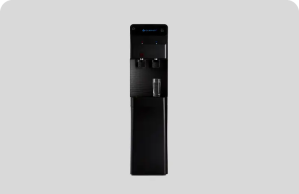
Q3 Bottleless Water Cooler
Available with quenchWATER+ electrolyte water
 Standard
Hot
Cold
Ambient
Extra Hot
Sparkling

Q4 Touchless Bottleless Water Cooler
Available with quenchWATER+ electrolyte water
Standard
Hot
Cold
Ambient
Extra Hot
Sparkling
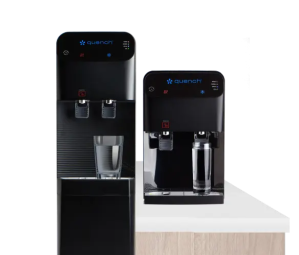
Q5 Bottleless Water Cooler
Available with quenchWATER+ electrolyte water
High
Hot
Cold
Ambient
Extra Hot
Sparkling
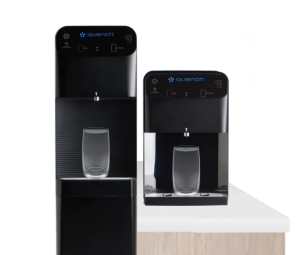
Q8 Touchless Bottleless Water Cooler
Available with quenchWATER+ electrolyte water
High
Hot
Cold
Ambient
Extra Hot
Sparkling
Q9 Bottleless Water Cooler
Includes Firewall® UV protection
High
Hot
Cold
Ambient
Extra Hot
Sparkling
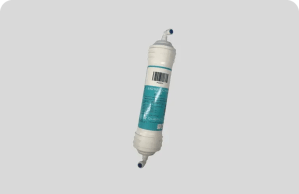
Replacement Filter for Bottleless Water Cooler
Model P02800 1 micron lead reduction block filter
High
Hot
Cold
Ambient
Extra Hot
Sparkling
