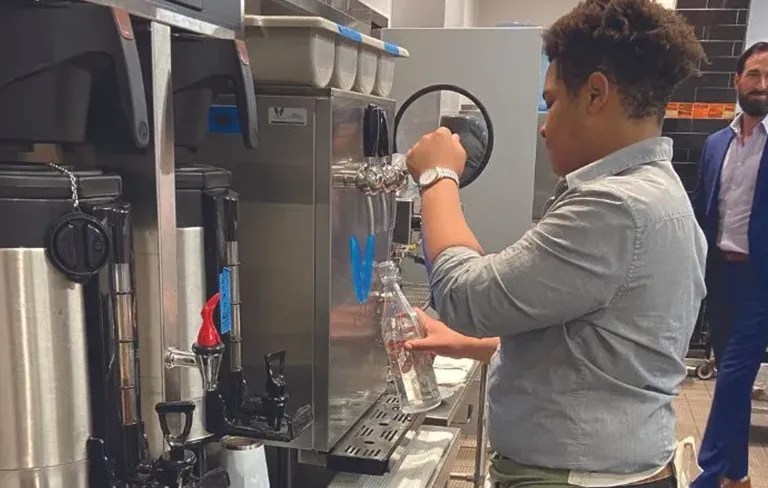
Water coolers are designed to provide convenient access to drinking water and can be safely used when they’re properly installed, cleaned, and maintained. The water source matters, as does the condition of the dispenser itself.
There are also different considerations depending on the type of machine. A bottleless water cooler connected to a building’s potable water supply works differently from a bottled dispenser. In contrast, a unit that provides hot water has its own safety features and operating requirements.
Knowing what to look for can help businesses keep their workplace water cooler clean and working as intended.
What makes a water cooler safe to use?
Water cooler safety starts with the water entering the machine. Bottleless systems should be connected to a potable water supply, while bottled dispensers rely on the quality and handling of the water supplied in the bottle.
The condition of the dispenser is important, too. Regular cleaning helps keep frequently used areas cared for, and scheduled maintenance addresses the parts of the machine that aren’t part of everyday cleaning.
For filtered systems, proper filter replacement is another part of ongoing care. Hot water dispensers also need to be used according to their safety instructions because the water can be hot enough to cause burns.
Is water from a water cooler safe to drink?
A water cooler doesn’t create its own water supply. What comes out of the dispenser is either bottled drinking water or potable water entering a bottleless system.
With a bottled cooler, the machine dispenses water from the jug. Proper bottle storage and dispenser maintenance remain important once that water reaches the workplace.
Bottleless coolers connect directly to the building’s potable water supply. Depending on the system, that water may pass through point-of-use filtration before it’s dispensed.
Keeping the machine properly maintained helps protect water quality as it moves through the system.
How does filtration support water quality?
Filtration can address specific characteristics of the incoming water before someone fills their cup or bottle.
Activated carbon filtration can reduce chlorine and substances that contribute to unwanted tastes or odours. Reverse osmosis provides a different type of treatment, using a semipermeable membrane to reduce total dissolved solids and specific contaminants, depending on the system’s capabilities.
The filtration method should be matched to the water and the workplace’s needs. No single filter should be assumed to remove every substance that could be present.
Filters also need to be replaced on schedule. Once installed, they aren’t something that can be forgotten indefinitely..
Can water coolers get dirty?
Like other shared workplace appliances, water coolers need routine cleaning.
The dispensing area is used frequently throughout the day. Drip trays collect spills, while employees regularly touch controls and other exterior surfaces.
Those areas should be cleaned according to the dispenser’s instructions. Internal sanitization may follow a separate maintenance schedule, particularly for bottleless systems with components that aren’t intended for user access. Here’s a step-by-step guide on how to clean a water cooler and which parts staff should leave for professional service.
Are bottleless water coolers safe?
Bottleless water coolers use the building’s potable water supply instead of a replaceable jug. (Here’s how bottleless water coolers work, from water line to dispenser.) When properly installed and maintained, they provide a convenient way to dispense drinking water directly at the point of use.
Many bottleless systems incorporate filtration before the water reaches the user. The specific treatment depends on the dispenser, with options ranging from carbon filtration to reverse osmosis.
Proper installation is particularly important because the machine is connected to a water line. Filter changes and scheduled service should also be performed in accordance with system requirements.
Some Culligan Quench models include additional technologies designed to support dispenser hygiene. Features vary by machine, so businesses should review the specifications of the models they’re considering.
Are bottled water coolers safe?
Bottled water coolers can also be used safely when the water and dispenser are handled properly.
Water bottles should be stored and installed according to supplier recommendations. The area where the bottle connects to the machine should be kept clean to prevent dirt from being introduced during a bottle change.
Regular dispenser cleaning still matters after the bottle is installed. A new jug replaces the water supply, but it doesn’t clean the machine.
Are hot water coolers safe?
Hot water dispensers raise one obvious consideration: the water is hot enough to require careful handling.
Depending on the model, a dispenser may have controls designed to help prevent accidental hot-water dispensing. Employees should understand how the hot-water function operates and follow the instructions for that machine.
The exact temperature also varies by dispenser. Avoid assuming that water from every hot-water cooler reaches the same temperature.
Do touchless water coolers improve hygiene?
Touchless dispensing can reduce the frequency with which users need to physically interact with the water cooler to fill a cup or bottle.
Instead of pressing the same control as everyone else, users can activate compatible systems without direct hand contact. This can be useful in shared spaces where many people visit the dispenser throughout the day.
Touchless operation doesn’t replace routine cleaning. The dispensing area and other surfaces still need appropriate care.
How to keep a workplace water cooler safe and clean.
A few consistent habits can make water cooler care much easier to manage.
Follow the cleaning and maintenance instructions provided for the machine. If the dispenser has a filter, make sure replacements happen according to its service schedule.
Pay attention to the cooler’s condition during everyday use as well. A persistent leak or a change in performance is a reason to have the unit checked rather than continue using it as usual.
Hot-water controls should always be used as intended. If a machine has safety features for hot-water dispensing, employees should know how they work.
For bottleless systems, professional service can handle maintenance tasks that require access to internal components.
FAQ.
Can bacteria grow in a water cooler?
Any equipment that stores or dispenses drinking water needs appropriate cleaning and maintenance.
Keeping dispensing areas clean and following the recommended sanitization schedule helps maintain the system. Internal components should be serviced according to the requirements of the particular dispenser.
Is a bottleless water cooler more hygienic than a bottled cooler?
Bottleless systems eliminate the handling required to change large water jugs. Some models may also offer touchless dispensing or other hygiene-focused features.
That doesn’t make every bottleless system inherently more hygienic than every bottled cooler. Cleaning practices and ongoing maintenance still have a significant role in either setup.
Is filtered water cooler water safe to drink?
Filtered water coolers are designed to treat incoming drinking water according to their filtration system’s capabilities.
Different filters address different substances, so the type of filtration matters. Proper filter replacement is also necessary for the system to continue performing as intended.
Is hot water from a water cooler safe?
Hot water from a dispenser should be handled carefully because it can cause burns.
Follow the machine’s operating instructions and use any built-in hot-water safety controls as intended. Children should only use hot-water dispensing features with appropriate adult supervision.
How can you tell if a water cooler needs maintenance?
Changes in how a water cooler operates can signal it needs attention. A new leak or trouble dispensing water should be investigated rather than ignored. If problems keep coming back, it may be time to consider how long a water cooler lasts and whether repair or replacement makes more sense.
If the machine isn’t working normally, contact the appropriate service provider instead of opening the unit or attempting internal repairs.
Choose a water cooler that works for your workplace.
Water cooler safety depends on more than the dispenser itself. Proper installation and ongoing care both contribute to a system that employees can use comfortably throughout the workday. Features like hot water and refrigeration also affect how much electricity a water cooler uses, so it’s worth weighing those needs when choosing a model.
Culligan Quench offers bottleless water coolers for Canadian workplaces in countertop and freestanding configurations, with options including hot-and-cold, touchless, and reverse osmosis models. Professional installation and ongoing service can also help businesses stay on top of the maintenance their system requires.
Explore Culligan Quench workplace water solutions, or speak with a Water Expert to find the right setup for your space.
Recommended products
Culligan Quench has an advanced suite of point-of-use systems that are designed to meet the needs of workplaces of all shapes and sizes. Here are some products we recommend for your business.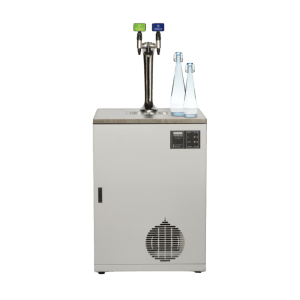
570 Bottleless Water Cooler
Vivreau® Freestanding Main Bottler
 High
 Hot
 Cold
 Ambient
 Extra Hot
 Sparkling
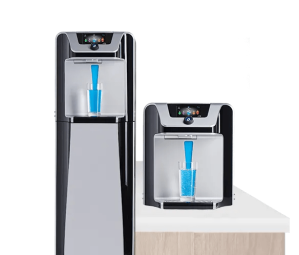
Q10 Bottleless Water Cooler With Sparkling Water
Includes Firewall® UV Protection
High
Hot
Cold
Ambient
Extra Hot
Sparkling
Top pick
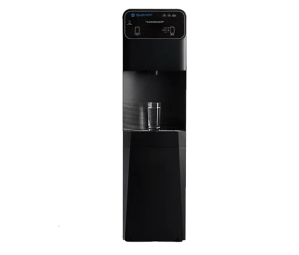
Q12 Touchless Bottleless Water Cooler
Available with quenchWATER+ electrolyte water
 Commercial
Hot
Cold
Ambient
Extra Hot
Sparkling
Top pick
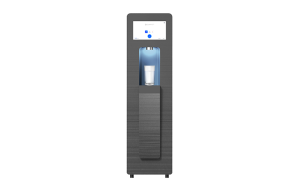
Q14 Bottleless Water Cooler
Available with quenchWATER+ electrolyte water
Commercial
Hot
Cold
Ambient
Extra Hot
Sparkling
Top pick
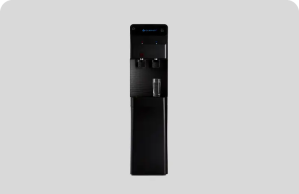
Q3 Bottleless Water Cooler
Available with quenchWATER+ electrolyte water
 Standard
Hot
Cold
Ambient
Extra Hot
Sparkling

Q4 Touchless Bottleless Water Cooler
Available with quenchWATER+ electrolyte water
Standard
Hot
Cold
Ambient
Extra Hot
Sparkling
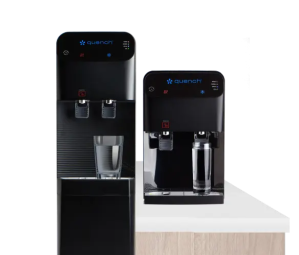
Q5 Bottleless Water Cooler
Available with quenchWATER+ electrolyte water
High
Hot
Cold
Ambient
Extra Hot
Sparkling
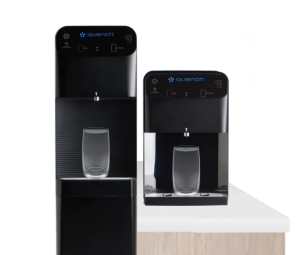
Q8 Touchless Bottleless Water Cooler
Available with quenchWATER+ electrolyte water
High
Hot
Cold
Ambient
Extra Hot
Sparkling
Q9 Bottleless Water Cooler
Includes Firewall® UV protection
High
Hot
Cold
Ambient
Extra Hot
Sparkling
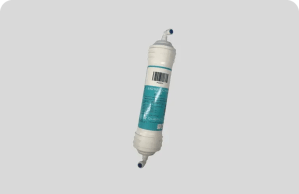
Replacement Filter for Bottleless Water Cooler
Model P02800 1 micron lead reduction block filter
High
Hot
Cold
Ambient
Extra Hot
Sparkling
