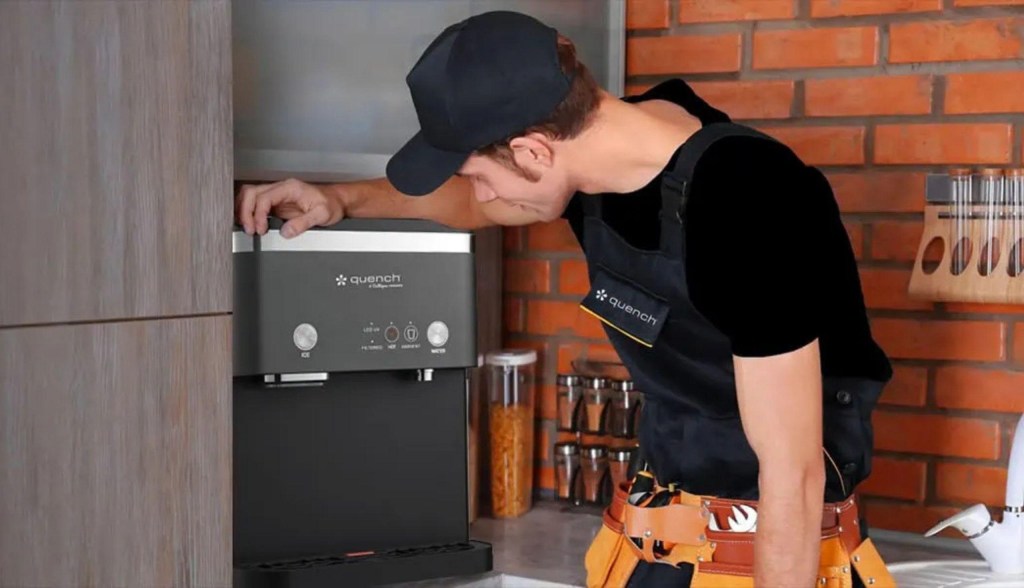
There isn’t one cleaning schedule that works for every water cooler. How often yours needs attention depends on the type of dispenser, how many people use it, and the maintenance recommendations for that particular system.
It also helps to think of water cooler cleaning as an ongoing routine rather than a single task. A drip tray may need attention long before the inside of the machine is due for service, while frequently touched surfaces can become part of regular workplace cleaning.
Following the manufacturer’s recommendations gives you a starting point, and everyday use can tell you when certain areas need attention sooner.
What is a good water cooler cleaning schedule?
A practical cleaning schedule accounts for the fact that different parts of a water cooler get dirty at different rates.
Areas that employees touch throughout the day may need regular wiping as part of normal workplace cleaning. The dispensing area should be checked routinely, and a drip tray can be cleaned whenever water or residue begins to collect.
Deeper sanitization is different. Internal components aren’t always accessible to users, and their maintenance schedules vary by dispenser.
Instead of assigning one cleaning date to the entire machine, follow the recommendations for each part of your water cooler.
Which parts of a water cooler need more frequent cleaning?
Some parts of the dispenser are exposed to considerably more daily activity than others. Keeping an eye on these areas can help you address messes before they build up.
Dispensing area.
The dispensing area is used whenever someone fills a cup or a reusable bottle. Check it regularly and clean accessible surfaces according to the manufacturer’s instructions. Hot and cold water coolers have a separate outlet for each temperature, so make sure both get cleaned.
If you notice visible residue, don’t wait for the next planned deep cleaning to address it.
Drip tray.
Drip trays are designed to catch spills, so it’s normal for water to collect there.
Check the tray often enough that standing water doesn’t sit unnoticed. If it’s removable, empty it and clean it according to the dispenser’s instructions.
Buttons and touch surfaces.
Controls can see plenty of hands during a normal workday. Include buttons, paddles, or other frequently touched areas in the workplace’s regular surface-cleaning routine. Touchless water coolers can reduce contact with shared controls, though the dispensing area and exterior still need regular cleaning.
Electronic controls and touchscreens may have specific care instructions, so make sure the cleaning method is appropriate for the machine.
Exterior surfaces.
The outside of a water cooler can collect dust and marks from everyday use.
Wipe it down when needed using a method that’s suitable for the dispenser. Regular exterior cleaning also makes it easier to notice leaks or other changes around the machine.
How often should a water cooler be sanitized?
Sanitizing a water cooler is different from wiping down the parts employees touch every day.
Depending on the machine, sanitization may involve internal areas that aren’t designed for routine user access. These tasks should follow the service schedule and instructions provided for the specific dispenser.
The right timing can also depend on how the system is used. Rather than applying a generic interval to every machine, follow the manufacturer’s recommendations or the service plan for your water cooler.
If internal sanitization is included in professional maintenance, workplace staff can focus on keeping the dispenser’s accessible parts clean between service visits.
How often should bottleless water coolers be cleaned?
Bottleless water coolers still require routine cleaning, even though there’s no water jug to replace.
The dispensing area and exterior controls should receive attention based on how heavily they’re used. Drip trays can be checked regularly and cleaned whenever necessary.
Bottleless systems also connect directly to a potable water line and may contain filtration equipment. Those internal components can have separate maintenance requirements that aren’t part of everyday office cleaning.
Scheduled service may cover tasks such as internal sanitization and filter replacement, depending on the system.
How often should bottled water coolers be cleaned?
Bottled water coolers follow many of the same routine cleaning principles, with an additional area to consider where the bottle meets the dispenser.
Keep the dispensing area and exterior clean during normal use. Check the drip tray frequently enough to prevent spills from sitting for long periods.
The bottle-loading area should be cared for according to the instructions for that particular machine. Replacing the water jug doesn’t automatically replace cleaning or sanitization.
Internal cleaning should follow the dispenser’s recommended schedule rather than being performed simply because a new bottle is installed.
What can affect how often a water cooler needs cleaning?
The cleaning needs of a quiet office won’t always match those of a dispenser serving a busy workplace.
Usage is one of the most practical factors to consider. More people visiting the machine means more interaction with its controls and dispensing area.
The surrounding environment can make a difference as well. A water cooler in a dusty workspace may need exterior attention more often than a machine in a different setting.
Spills are another reason to clean outside the usual schedule. If something is visibly dirty or water is collecting where it shouldn’t, deal with it as soon as you notice.
The manufacturer’s guidance should still form the basis of any deeper cleaning or sanitization schedule.
How often should water cooler filters be replaced?
Filter replacement follows its own schedule and shouldn’t be treated as part of routine surface cleaning.
How long a filter lasts depends on the filtration technology and the amount of water passing through the system. A carbon filter and a reverse osmosis water cooler can have different service requirements, and incoming water quality can also play a role.
Follow the replacement schedule established for your particular filtration system. Waiting until a filter looks dirty isn’t a reliable way to determine when it’s due for service.
Culligan Quench filtered bottleless systems can receive scheduled filter service as part of ongoing maintenance.
Signs your water cooler may need cleaning or service.
A calendar is useful for planned maintenance, but the dispenser’s condition matters, too.
Visible residue around the dispensing area is a straightforward sign that it’s time to clean. A full or dirty drip tray should also be handled as soon as you notice it.
Mechanical changes deserve a different response. If the machine begins leaking or stops dispensing normally, cleaning may not solve the problem.
Have unusual operating issues evaluated rather than attempting to access the internal components yourself. Addressing them promptly can also help keep the dispenser available for the people who rely on it.
Routine cleaning vs. professional water cooler service.
Routine workplace cleaning mostly involves the parts of the dispenser people can safely access.
Staff can keep exterior surfaces clean and take care of removable components according to the manufacturer’s directions. These smaller tasks help maintain the machine between scheduled service visits.
Professional maintenance can address areas that require more specialized attention. For filtered bottleless systems, this may include internal sanitization or scheduled filter changes. Technicians can also inspect the dispenser when something isn’t working as expected.
Separating those responsibilities can make water cooler maintenance easier to manage. Employees know what needs everyday attention, while more involved system care happens on the appropriate service schedule.
FAQ.
Should a water cooler be cleaned every day?
The entire water cooler doesn’t necessarily need to be cleaned every day.
Frequently touched surfaces may be included in normal workplace cleaning, particularly in busy shared spaces. Other components follow the cleaning or maintenance schedule recommended for the machine.
Should you clean a water cooler after every bottle change?
A bottle change doesn’t automatically mean every part of the dispenser needs to be cleaned.
Follow the manufacturer’s recommendations for the bottled cooler you’re using. The bottle-loading area may have its own cleaning instructions, while deeper sanitization can follow a separate schedule.
Can you clean a water cooler too often?
Regular cleaning of appropriate surfaces is part of good water cooler care. Problems can arise when unsuitable products are used, or components are cleaned in ways the manufacturer doesn’t recommend.
Follow the dispenser’s instructions rather than assuming that more intensive cleaning is always better.
How do you know when a water cooler filter needs changing?
Use the service or replacement schedule established for the filtration system.
A filter’s appearance isn’t enough to determine whether it still has useful capacity. Replacement requirements depend on the filter and how the system is used.
Who should clean an office water cooler?
Workplace staff can generally handle routine cleaning of accessible areas in accordance with the manufacturer’s instructions.
Tasks involving internal components or filtration equipment may be handled through professional service. If you’re unsure whether a component is intended for user access, check the dispenser instructions before removing it.
Make water cooler care part of the routine.
Water cooler cleaning is easier to stay on top of when it isn’t treated as one big job. Regular attention to the areas employees use most can handle everyday messes, while scheduled maintenance addresses deeper system needs.
Culligan Quench provides bottleless water coolers for workplaces across Canada in countertop and freestanding configurations, with professional installation and ongoing service. Filter changes and other system maintenance can be incorporated into the dispenser’s service plan, giving businesses fewer maintenance tasks to manage on their own.
Speak with a Culligan Quench Water Expert to explore a workplace water solution and service plan that fits your space.
Recommended products
Culligan Quench has an advanced suite of point-of-use systems that are designed to meet the needs of workplaces of all shapes and sizes. Here are some products we recommend for your business.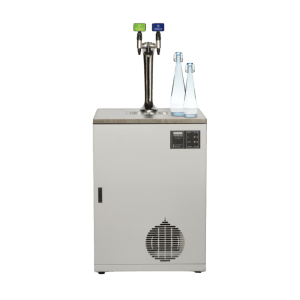
570 Bottleless Water Cooler
Vivreau® Freestanding Main Bottler
 High
 Hot
 Cold
 Ambient
 Extra Hot
 Sparkling
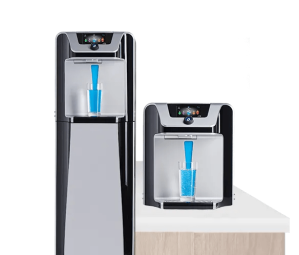
Q10 Bottleless Water Cooler With Sparkling Water
Includes Firewall® UV Protection
High
Hot
Cold
Ambient
Extra Hot
Sparkling
Top pick
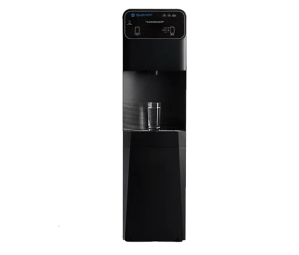
Q12 Touchless Bottleless Water Cooler
Available with quenchWATER+ electrolyte water
 Commercial
Hot
Cold
Ambient
Extra Hot
Sparkling
Top pick
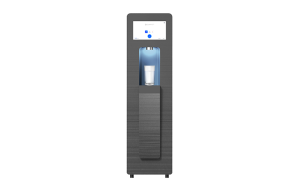
Q14 Bottleless Water Cooler
Available with quenchWATER+ electrolyte water
Commercial
Hot
Cold
Ambient
Extra Hot
Sparkling
Top pick
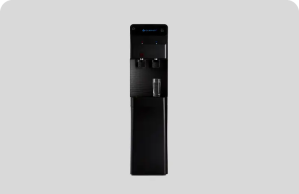
Q3 Bottleless Water Cooler
Available with quenchWATER+ electrolyte water
 Standard
Hot
Cold
Ambient
Extra Hot
Sparkling

Q4 Touchless Bottleless Water Cooler
Available with quenchWATER+ electrolyte water
Standard
Hot
Cold
Ambient
Extra Hot
Sparkling
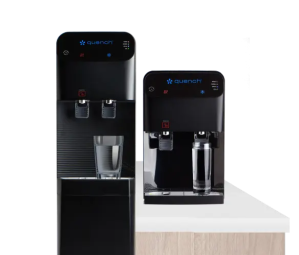
Q5 Bottleless Water Cooler
Available with quenchWATER+ electrolyte water
High
Hot
Cold
Ambient
Extra Hot
Sparkling
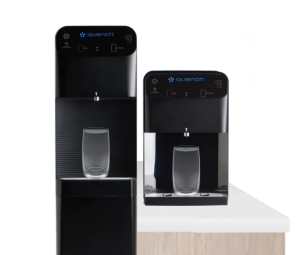
Q8 Touchless Bottleless Water Cooler
Available with quenchWATER+ electrolyte water
High
Hot
Cold
Ambient
Extra Hot
Sparkling
Q9 Bottleless Water Cooler
Includes Firewall® UV protection
High
Hot
Cold
Ambient
Extra Hot
Sparkling
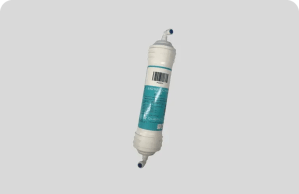
Replacement Filter for Bottleless Water Cooler
Model P02800 1 micron lead reduction block filter
High
Hot
Cold
Ambient
Extra Hot
Sparkling
